You've been lied to for fifty years. AI isn't the problem.
On AI imagery, honest marketing, and why a Vermont bagel shop apologized for nothing.
A bagel shop in South Burlington made the local news this year. Not for their Montreal-style bagels, which are excellent. For posting an ad that mixed real photos with AI-generated images.
Customers pushed back. The story went to television. The owner apologized, took the images down, and said he'd be more careful in the future.
He shouldn't have apologized.
Maybe the images weren't great. Maybe the AI work was rough around the edges. So what? The guy is up at 4am making bagels. He hired someone to help with the marketing because he's busy running a business. He didn't have a creative director or a production budget. He used what was available and put it out there. That's hustle. A guy trying to keep his business visible in a feed that moves faster than he can.
And for that, it became a public pile-on. A news segment. A working business owner apologizing on camera for trying to sell bagels.
The funny thing is, their bagels are still better in the flesh than anything in the content. The product was never the problem. It never is.
The real problem was that nobody gave Adam Jones the context to stand behind his decision. So when the backlash came, he didn't have the language to explain why what he did was legitimate.
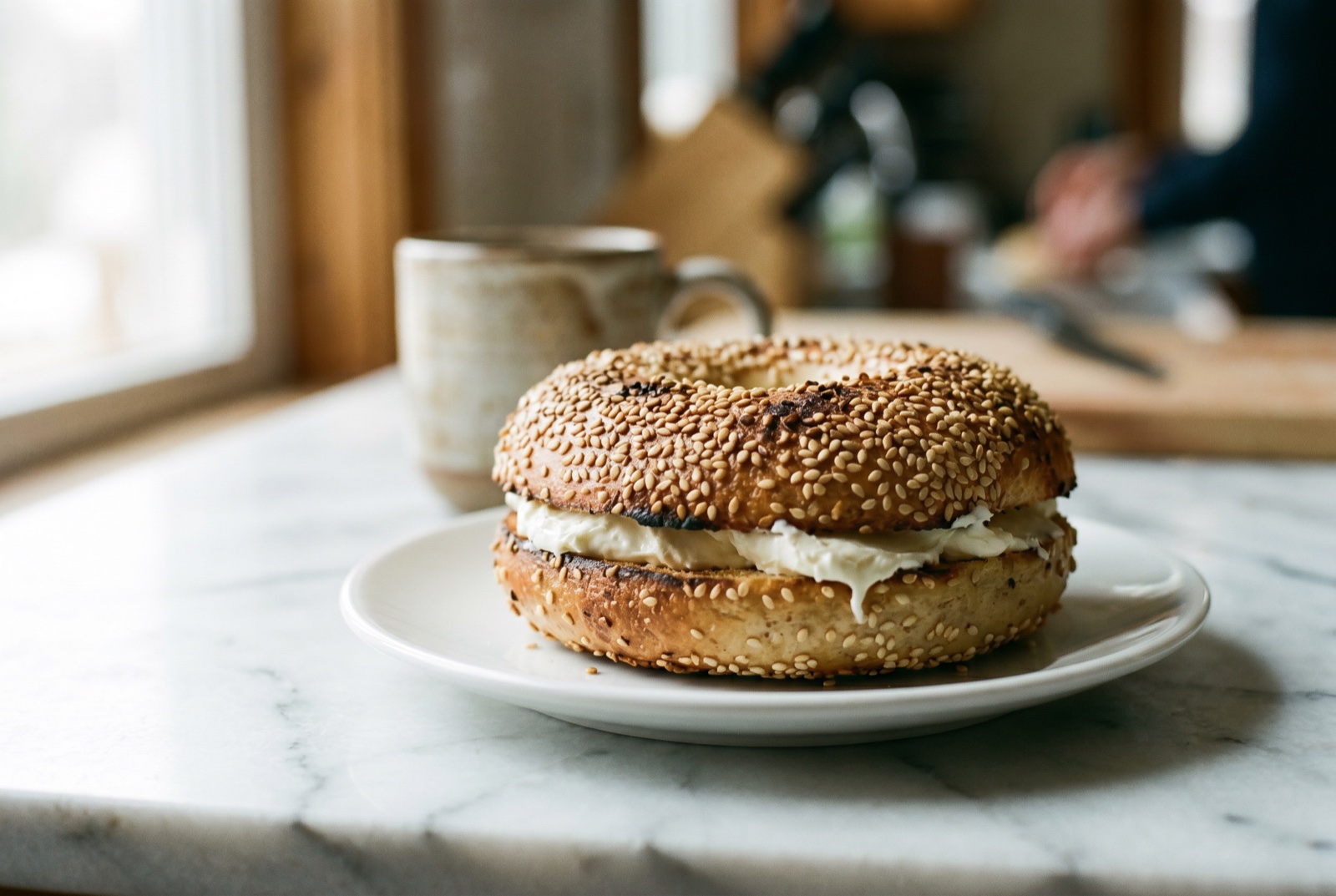
A well-directed image of a bagel with cream cheese is no more dishonest than a styled photograph that took three hours, a food stylist, and $2,000 to produce. Both exist to make you want the bagel.
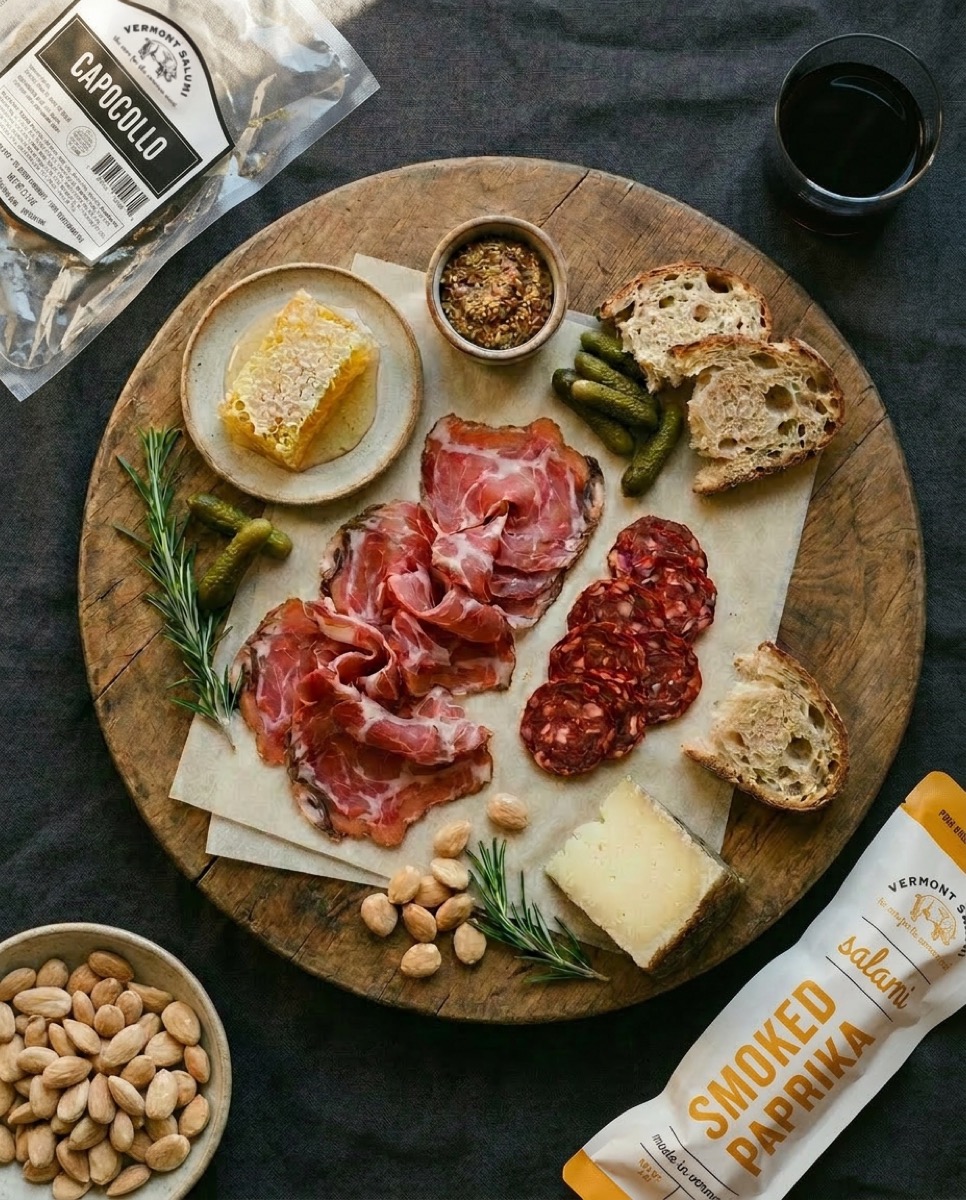
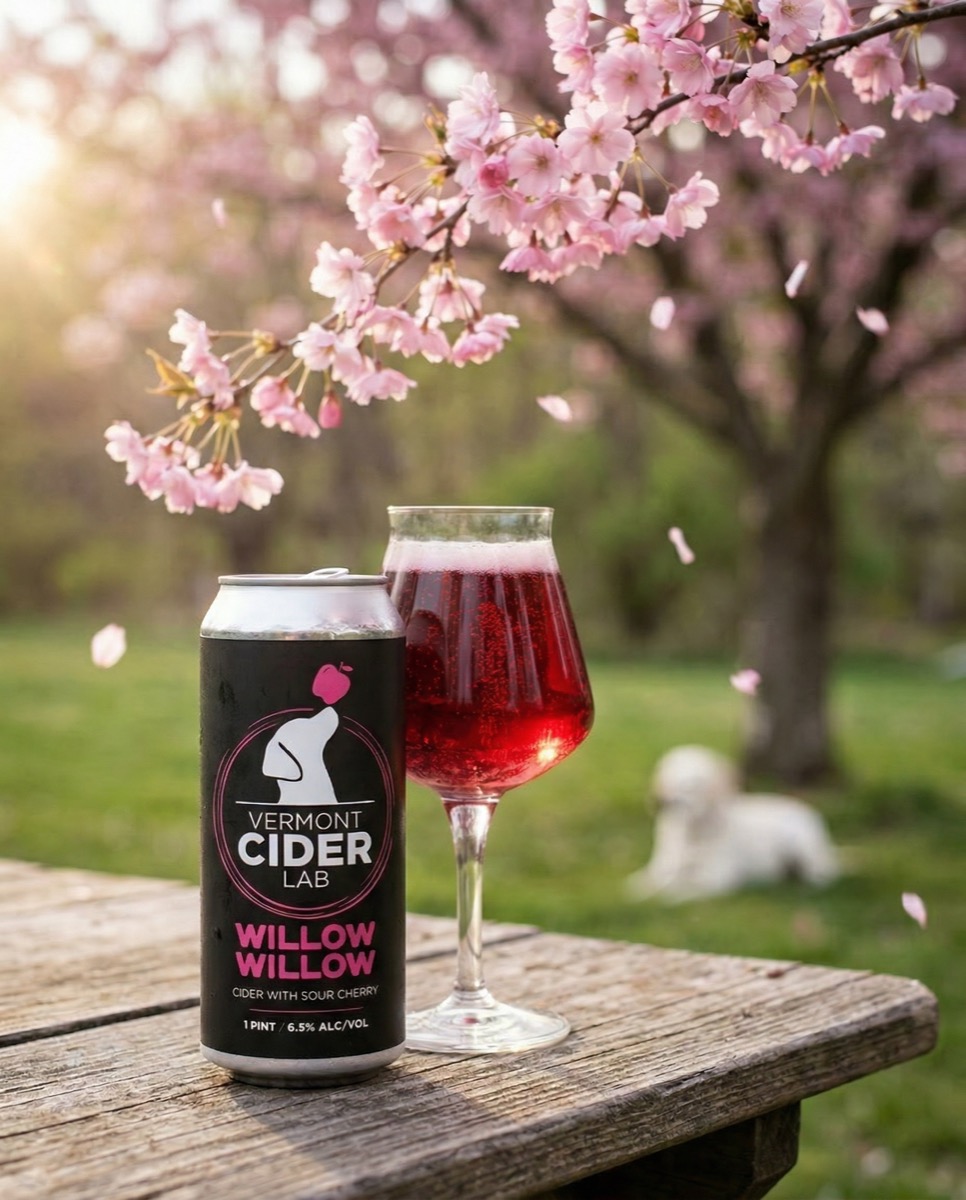
The tools have never been the problem.
McDonald's spends six figures on a single burger shoot. Every sesame seed placed with tweezers. Grill marks painted on. The bun shellacked so it photographs like something you'd never actually be handed at a drive-through. Nobody demands an apology. That's just marketing.
Photoshop has been standard in food production since the 90s. Color correction, compositing, texture swaps, background replacements. Every menu, every package, every food magazine cover you've ever seen has been manipulated. The image is not the product. The image is the aspiration. Always has been.
Food styling is an entire profession built on making things look better than they are. Glue instead of milk. Motor oil instead of syrup. Cardboard inserts to prop up a burger. Spray-on condensation. Blowtorched edges. Industry standard for half a century. Nobody calls it fraud. It's craft.
I've spent twenty years as a food photographer. When I show up at a restaurant to shoot, I can spend an hour on a single dish, dialing in the styling, the lighting, and the composition before a frame is captured. The chefs plate with more care than they normally would. We move dishes to better light. We rearrange the table. The image was never the reality of what a customer gets handed. It was always a directed version of it. That's what makes it good.
AI is CGI for still images. Another tool in a long line of tools. The production method changed. The intent didn't.
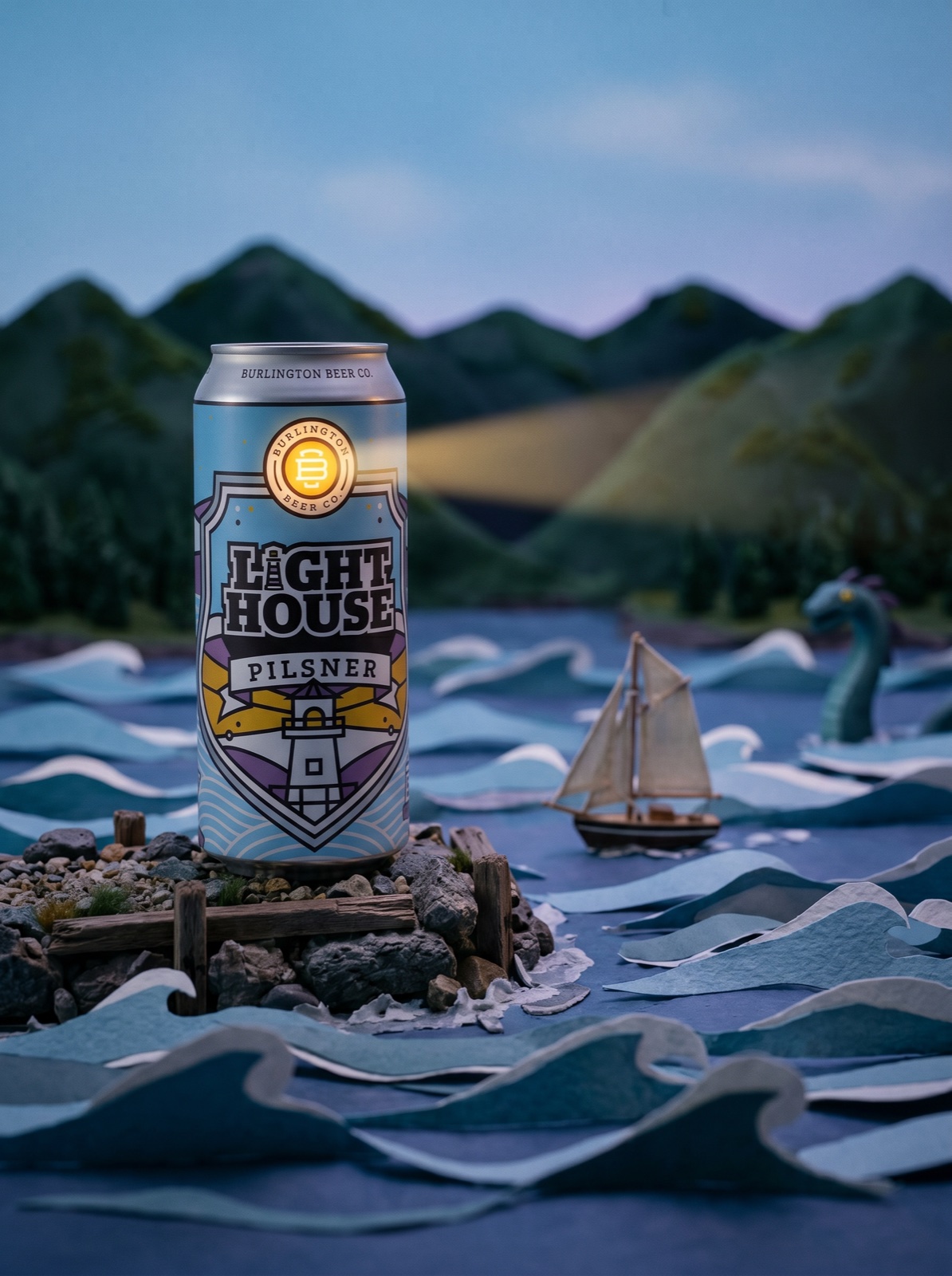
It's creative direction. That's the whole point.
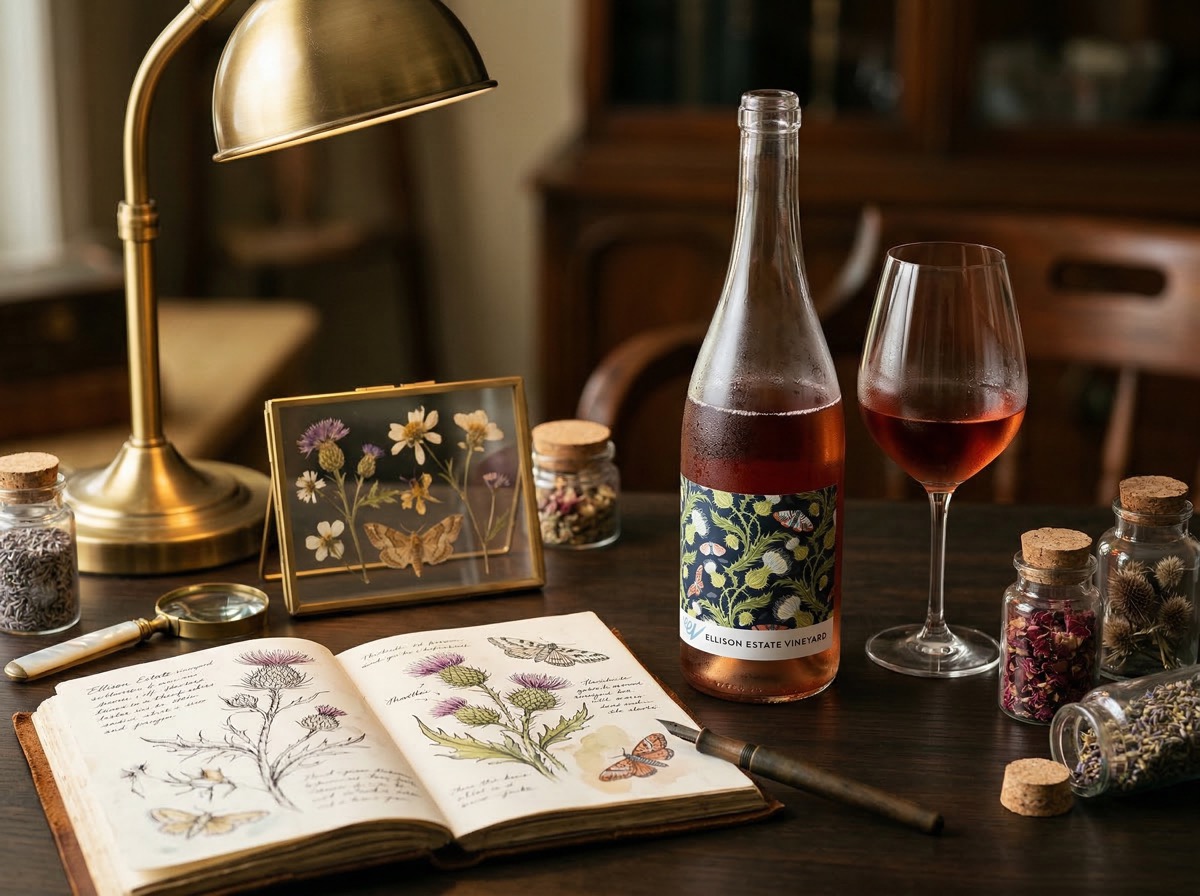
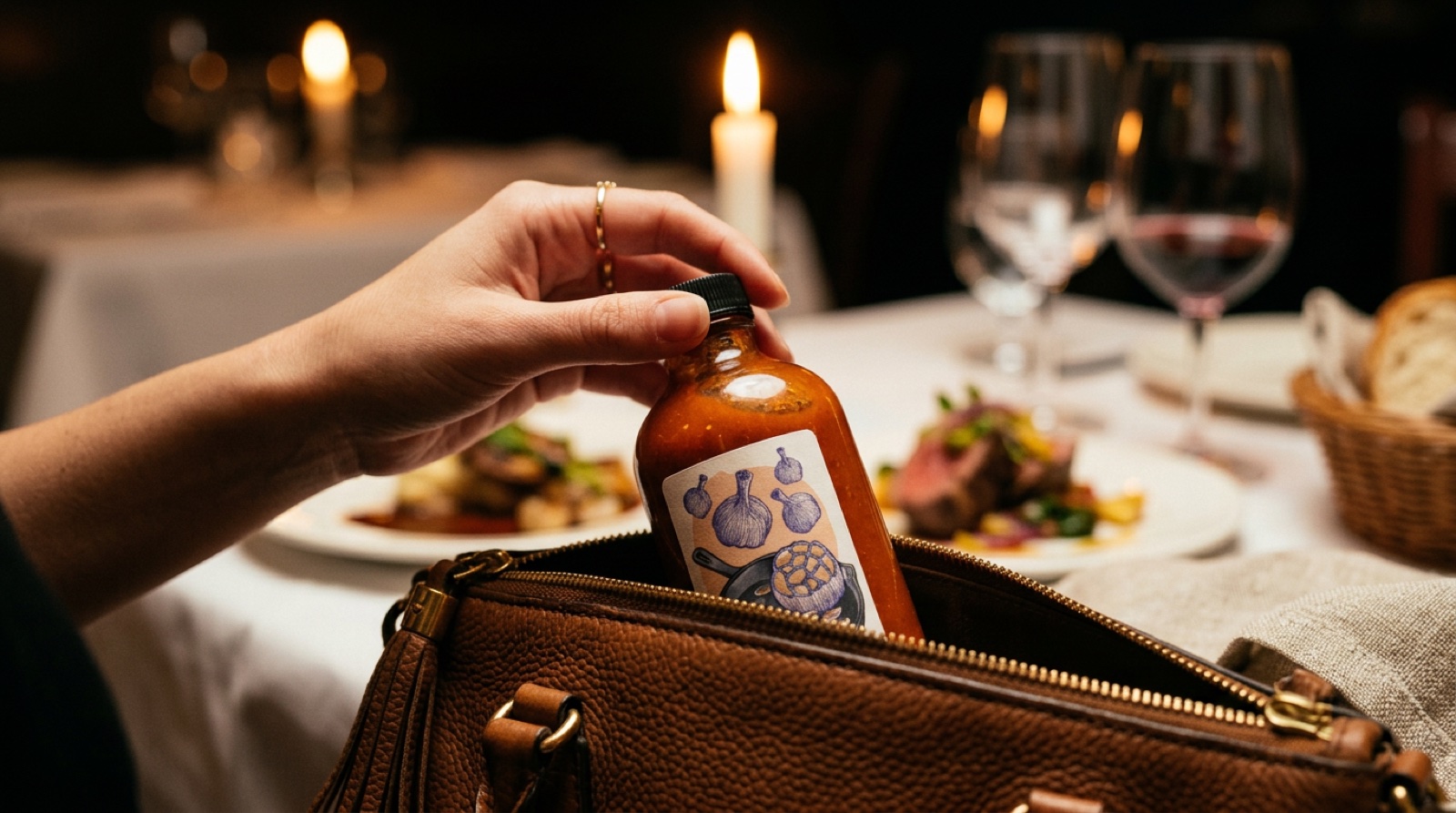
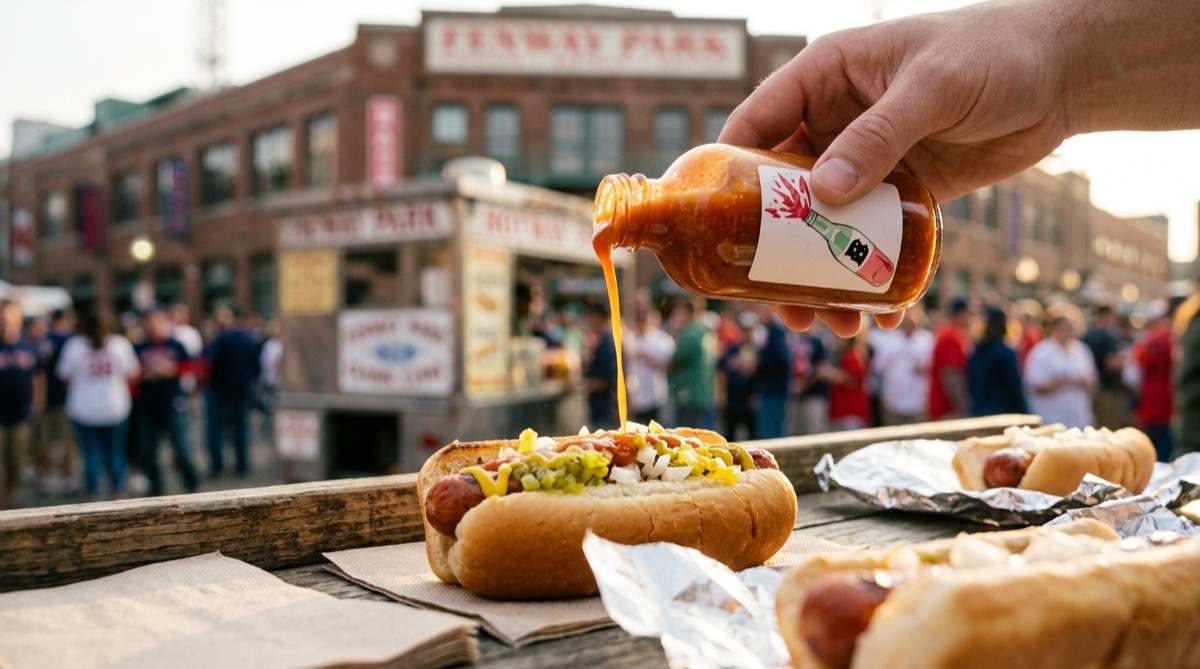
Some of what I produce is grounded: a product in its natural setting, styled with editorial intention. Some of it is fantasy: a beer can as a lighthouse in a paper-craft lake. Nobody looks at that and thinks it's a photograph of a real place. It's not trying to be. It's campaign art, storytelling, a brand world brought to life.
This is what creative direction has always been. Album covers, movie posters, magazine editorials, window displays. The best visual marketing has never been limited to what a camera can capture in a room. AI just makes it possible for a craft brewery to build the kind of creative that used to require a production budget they'd never have.
The product is real. The brand is real. The experience is real. The imagery is directed. That's not deception. That's the job.
Pick your battles.
We live in a media landscape where deepfakes manipulate markets, fabricate evidence, and impersonate public figures. AI-generated misinformation shapes elections and public health decisions. That's where the fight actually matters.
And we're spending our outrage on a bagel shop.
The backlash cycle is predictable. Photoshop: outrage when retouching was exposed, now standard. Stock photography: criticized as lazy, now everywhere. Instagram filters: mocked as fake, now the baseline. Fear, backlash, normalization, invisibility. Every time. AI is on the same track, just moving faster. 87% of marketers are already using generative AI in their workflows. Adobe Firefly alone has generated over 22 billion images. The people upset about it are scrolling past it every day without noticing.
A small bagel shop can't afford a $2,000 photo shoot every month. A craft brewery can't hire a full-time photographer. A cider maker doesn't have a marketing department. AI lets these businesses compete visually with brands that have six-figure production budgets. That's not a threat. That's a level playing field.
If you have concerns about how a local business presents itself, walk in and talk to them. Adam Jones is right there, behind the counter, every morning. Have a conversation. That's what community looks like. Not a pile-on in a comment section from people who weren't going to buy a bagel anyway.
Within sixteen months, the debate won't be "should we use AI." It'll be "who is directing it well, and who isn't." The brands that started early will have a year's head start. The ones that waited will be starting from scratch.
The anti-AI agency is not the answer.
There's a growing wave of agencies positioning themselves as anti-AI. The pitch: "We don't use those tools. Hire us."
That's not a creative strategy. That's ambulance chasing.
If the best thing you can say about your agency is what tools you refuse to use, you don't have much to say. A photographer who shoots film isn't "anti-digital." That's a craft choice. An agency whose whole identity is "no AI" is a marketing choice with a shelf life of about eighteen months.
Every agency will be using AI within two years. The ones who branded themselves against it will either quietly adopt it and hope nobody notices, or lose to the studios that learned the tools early and learned them well.
The answer to Myer's Bagels was never "stop using AI." It was "use it with direction, and own it." That's the difference between a tool and a gimmick. The tool serves the work. The gimmick serves the pitch.
At what point do we stop calling it AI and just call it the work?
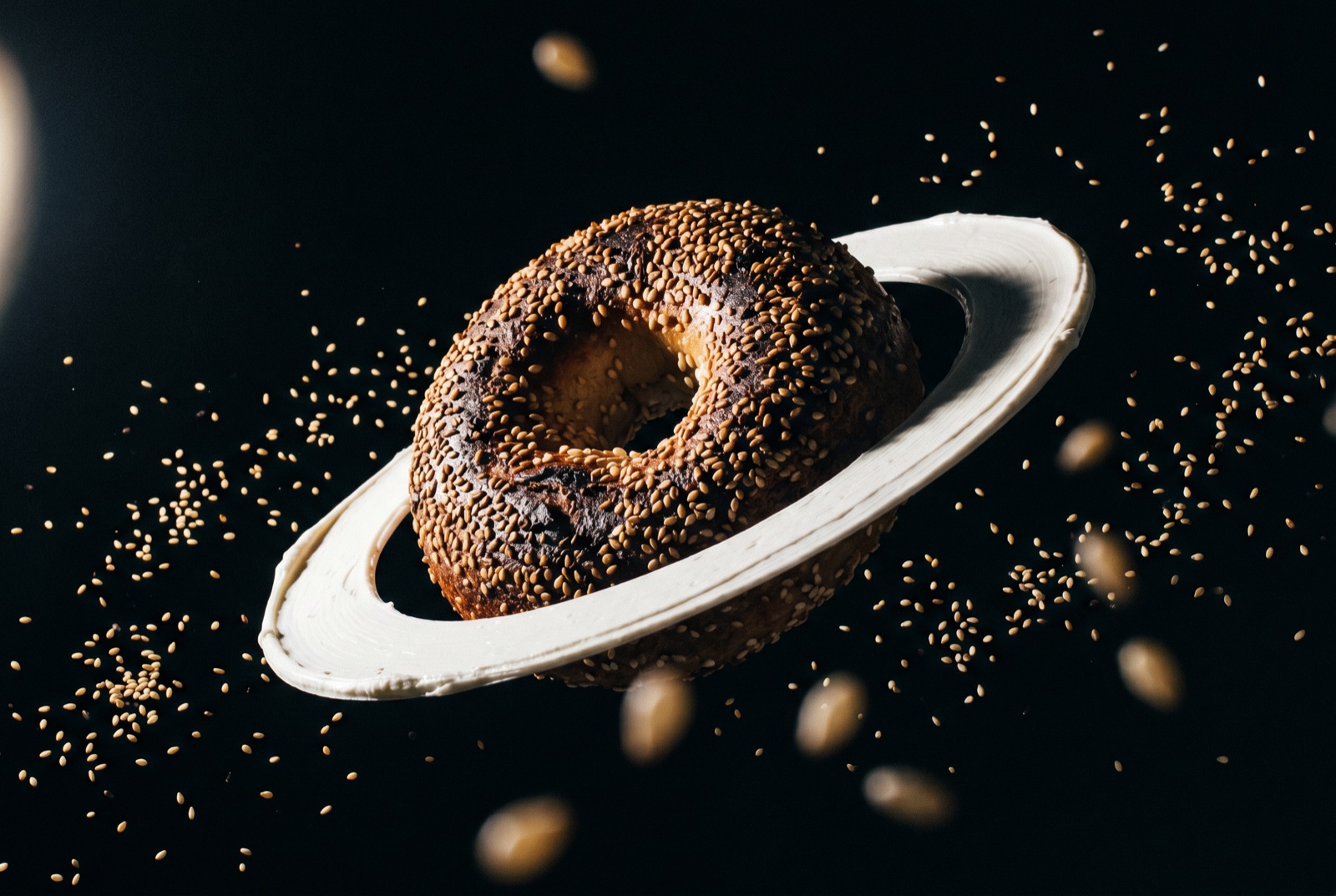
And yes, if you're assuming, you're right. My ghost writer agent helped me pull this together. It started with an idea, and that's the spark that matters. I directed the argument, shaped every editorial decision, and the tool helped me get it done in a day instead of a week. What am I doing right now while you read this? I'm in the sandbox, fully alive, human and present, eating ice cream with my kids. That's the point. The tools give you time back. What you do with that time is what matters.
I still shoot traditional photography for clients who can afford the investment. I always will. But I'm also a father of two, traveling the world with my family, building a business from wherever we land. AI didn't replace my camera. It let me keep working while my life changed shape. And the small businesses I work with? They get to compete. They get creative that grows their reach and tells their story. Nothing about that is permanent, nothing about any of this is. But right now, this is the path.

Ready for the red pill?
If you're a small, locally owned business who marches to the beat of your own drum and you're curious about what this type of creative can do for your brand, I'll show you. No pitch deck. No call. No commitment. Send me a photo of your product and I'll produce three directed images, on me. See it with your own eyes and decide from there.